
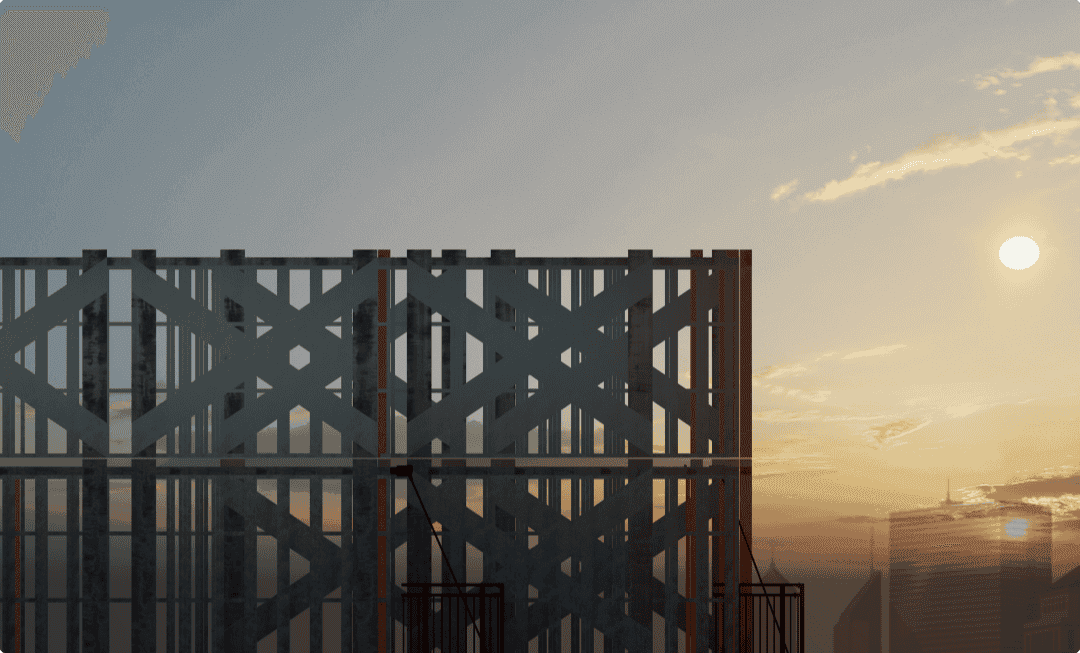
Key takeaways
- Offsite fabrication moves labor and waste into a controlled environment.
- Site preparation and component manufacturing can happen in parallel.
- Fewer site deliveries and less waste reduce the environmental impact.
Why Offsite Construction, Why Now
Have you considered switching to offsite construction? In today's rapidly evolving construction landscape, the push toward more efficient, cost-effective, and sustainable building methods has never been stronger.
Offsite construction — where building components are manufactured in a controlled environment before being transported to the construction site for assembly — is increasingly becoming the solution to many of the challenges developers and builders face.
1. Reduce Project Costs by Increasing Productivity and Reducing Waste
One of the most significant advantages of offsite construction is the potential to reduce overall project costs. Traditional on-site construction often involves inefficiencies due to unpredictable weather conditions, labor shortages, and material waste. Offsite construction, on the other hand, is executed in a controlled factory environment where the production process can be optimized.
By relocating a substantial portion of the work offsite, labor productivity increases as tasks can be carried out simultaneously and with more precision. Material waste is significantly reduced through better planning and precise manufacturing. This minimizes the costs associated with material overages, delays, and on-site inefficiencies, helping projects stay on budget.
Offsite construction is not just a trend — it is a movement toward smarter, faster, and more sustainable building practices.
2. Expedite Project Schedules with Simultaneous Construction and Site Preparation
In traditional construction, work on-site often cannot begin until key stages of site preparation, such as excavation, grading, and foundation work, are complete. Offsite construction accelerates the timeline by enabling site preparation and component manufacturing to occur simultaneously.
While your team prepares the site, skilled workers in a factory are fabricating the structural components of the building — steel frames, modular units, or façade panels. Once the site is ready, these pre-built elements are delivered and assembled, reducing the overall construction timeline significantly.
3. Maximize Sustainability Impact with Waste Reduction and Energy Efficiency
Sustainability is a growing concern across industries, and construction is no exception. Offsite construction supports sustainability goals by reducing material waste, improving energy efficiency, and minimizing the environmental impact of a project.
Because offsite construction happens in a controlled environment, there is far less waste during production. Factories optimize material usage, and excess materials can often be recycled. The precision manufacturing of building components also leads to better insulation and reduced energy consumption in the completed structure.
The carbon footprint of a project is also reduced with fewer deliveries to and from the site, cutting down on fuel emissions. By utilizing offsite construction, companies can achieve sustainability objectives while delivering high-performance, energy-efficient buildings.
The Future of Construction is Offsite
Offsite construction is not just a trend — it is a movement toward smarter, faster, and more sustainable building practices. As the construction industry continues to evolve, embracing offsite methods offers significant advantages for developers, architects, and engineers.
Whether you are aiming to reduce costs, accelerate your project schedule, or maximize sustainability impact, offsite construction presents a forward-thinking solution that benefits your company, your project, and the environment.
Next step
Have a project like this?
Tell us about the building, the schedule, and the level of prefabrication you need. We will recommend the right system.